
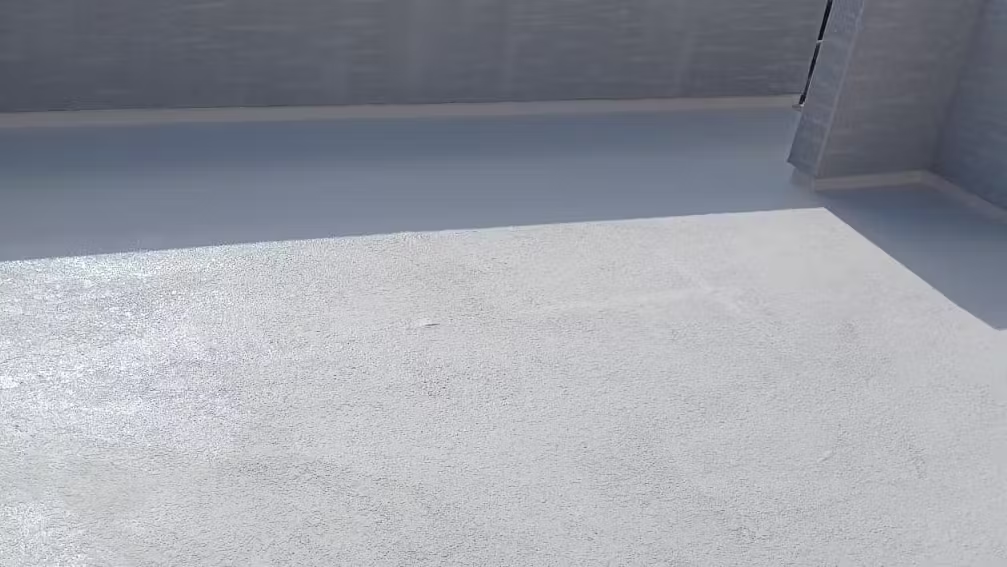

Why coatings matter on Arizona flat roofs
Arizona is hard on flat roofs. Intense UV breaks down exposed surfaces. High heat and large temperature swings make membranes fatigue at seams and flashings. Then monsoon storms test every drain, scupper, and low spot. If water sits, the roof is dealing with ponding as well as sun.
A reflective coating, sometimes called a cool roof coating, is designed to reflect more sunlight and emit heat more readily than a dark, aged surface. That kind of coating can lower the roof surface temperature and decrease the amount of heat transferred into the building. Cool roof surfaces tend to work best in hot, sunny climates, and a lower roof temperature can slow degradation of roof materials.
That is a strong fit for Valley commercial buildings, multifamily properties, and homes with flat or low-slope sections. If the existing system is largely intact, a coating or foam recoat can restore weather protection and reflectivity with far less disruption than a replacement. Inspection comes first. For a wider comparison of foam, TPO, PVC, and coatings, see our Arizona flat roof options guide and our commercial roofing page.
Elastomeric, silicone, foam, and polyurea options
Elastomeric (acrylic) coatings. Acrylic elastomeric coatings are typically water-based coatings that cure into a flexible, reflective film. They are widely used on roofs that drain well, and a clean, light-colored acrylic can help reduce roof surface temperature in a climate like ours. Their common weakness is standing water. Many acrylics do not hold up well in regular ponding, so drainage may need to be improved first, and dirt, chalking, or failed seams have to be addressed before a new coat goes down.
Silicone coatings. Silicone coatings are a workhorse for Arizona flat-roof restoration, and they are a large part of the coating work we do. Silicone has excellent resistance to UV, stays flexible in harsh sun, and is much more tolerant of ponding water than typical acrylics. That matters on older low-slope roofs where some standing water is hard to eliminate completely. Some silicone surfaces pick up dirt over time, which can reduce reflectivity until the roof is cleaned or recoated, and recoating usually requires a compatible silicone product.
Spray polyurethane foam roofs and foam recoats. Spray polyurethane foam (SPF) is sprayed in place as a seamless layer that both insulates and provides a roof surface. It can conform to irregular rooftops and penetrations, and in some cases it can improve slope toward drains. Bare foam should not be left exposed to sunlight, because UV degrades it, so a protective coating is part of a complete foam roof. Many Arizona foam roofs are maintained by recoating: inspect, repair damaged foam, clean, and apply a new protective coating. When the foam is still sound, this is one of the most practical ways to keep a foam roof working. Foam is not the right answer if it is wet, widely deteriorated, or covering a deck problem that has not been solved.
Polyurea coatings. Polyurea coatings are fast-curing, tough coatings used when a durable, high-performance film is needed. They can form a resilient surface with strong resistance to abrasion, and they are applied with specialized equipment. Preparation still decides the outcome. Polyurea can be a strong option on the right project, but it is not automatically better than silicone or acrylic for every Arizona roof.
There is no single best coating. Acrylics often make sense on well-drained roofs. Silicone is often the better restoration choice when sun and ponding are both in the picture. Foam (new or recoat) is about a seamless insulated surface that can be protected and maintained. Polyurea is about a tough, specialized film on a prepared substrate. We will tell you which of those actually fits the roof you have.
When to restore versus replace
Restoration is a good conversation when the roof is leaking at details, looking tired, or losing reflectivity, but the assembly underneath is basically intact. Signs that a coating or recoat may be appropriate include a sound deck, insulation or foam that is dry and stable, problems that are localized and repairable, and drainage that works or can be improved.
Replacement is the more honest path when the system has failed in a widespread way: wet or collapsed insulation, soft decking, foam that is saturated or crumbling, membranes that are brittle or split across large areas, or layers of old coating that are peeling. Coating over active failure traps problems and can make the eventual tear-off harder. The only way to tell the difference is an inspection, and on many flat roofs that includes checking for moisture, not just walking the surface.
The restoration process
A proper coating or foam recoat follows a sequence. We start with a thorough inspection of the field, flashings, penetrations, drains or scuppers, and any rooftop equipment. If moisture in the assembly is a concern, we evaluate that before recommending a system.
Next come repairs: seams, blisters, cracks, soft foam, failed flashings, or drains that are clogged or set too high. Drainage problems should be addressed here, not after the new coating is down. The roof is cleaned so the new material can bond, details are reinforced, and the coating is applied at the coverage the system is designed for. On a foam project, damaged foam is repaired before the protective coating goes on. When the work is finished, we inspect the application and review basic care, including when a future maintenance coat should come back onto your calendar.
What Real Roofing offers
Real Roofing restores flat and low-slope roofs with elastomeric (acrylic) coatings, silicone coatings, and polyurea coatings. We also install spray polyurethane foam roofs and recoat existing foam. Learn more on our roof coatings, foam roofing, and foam roof recoating pages.
We start with the condition of your roof and the way it drains, then recommend restoration or replacement. If a coating is the right path, we prepare the surface, complete the repairs, and apply the system with the details that actually prevent leaks. Call us at (602) 910-2708. We will tell you whether a coating can honestly extend the life of the roof, or whether it is time for a different system.
Frequently asked questions
1. Can a roof coating stop my flat roof from leaking?
It can, if the leaks come from a worn but still sound surface and we repair the details first. A coating cannot fix wet insulation, a failed deck, or flashings that are left untouched.
2. Is silicone better than acrylic in Arizona?
Silicone is often a better match for sun and for roofs that hold some water after a storm. Acrylic can be a good choice on well-drained roofs. The existing roof decides more than the label.
3. How is a foam recoat different from a new foam roof?
A recoat restores the protective coating on existing foam after repairs. A new foam roof applies foam, then a coating, as the roof system. Recoating is usually the right path when the foam itself is still sound.
4. How do I know if I should coat the roof or replace it?
Inspection is the only honest answer. If the deck is solid and the existing system is dry and mostly intact, restoration may be enough. If materials are wet, brittle, or failing across the roof, replacement is usually the better investment.
5. Do roof coatings need maintenance?
Yes. Keep drains clear, be careful with rooftop traffic, and plan for cleaning and future recoats as the surface weathers.
Get the flat roof inspected before you coat it
If your flat roof is chalking, ponding, or starting to leak, let's inspect it before a small problem becomes a tear-off. Call Real Roofing at (602) 910-2708 or request a visit through our contact page. Licensed in Arizona, ROC 339597.

