

The upside of solar on your roof
Arizona's climate is built for solar. A rooftop array can produce a lot of power over a long, sunny year, and many homeowners use that to reduce their reliance on the grid. When the roof is sound, the flashings are done correctly, and someone is clearly responsible for the penetrations, an array is just another well planned rooftop system. If you want solar, we are here to help you put it on a roof that can support that decision for the long term.
Check the roof's remaining life first
The first question is the remaining life of the roof, not the panel layout. If the roof is new or in strong condition, a roof inspection can confirm that and flag any repairs to do first. If the roof is aging, replacing or restoring it before the array goes on is usually the more economical path.
The same sun that makes solar productive is hard on roofs. Intense UV and heat age shingles, underlayment, coatings, and flashings. If panels go on a roof that is already near the end of its life, the homeowner often pays twice: once for the solar installation, and later to have every panel taken off, the roof replaced, and the array put back. Once the array is in place, a leak is harder to trace, and a full replacement almost always requires a complete detach and reset. That is not an argument against solar. It means the condition of the roof on installation day matters.
How different roof materials age under panels
A roof's remaining life matters more than how it looks from the curb. Panels shade part of the roof, but they do not stop the rest of the roof from aging, and they do not make an old underlayment new.
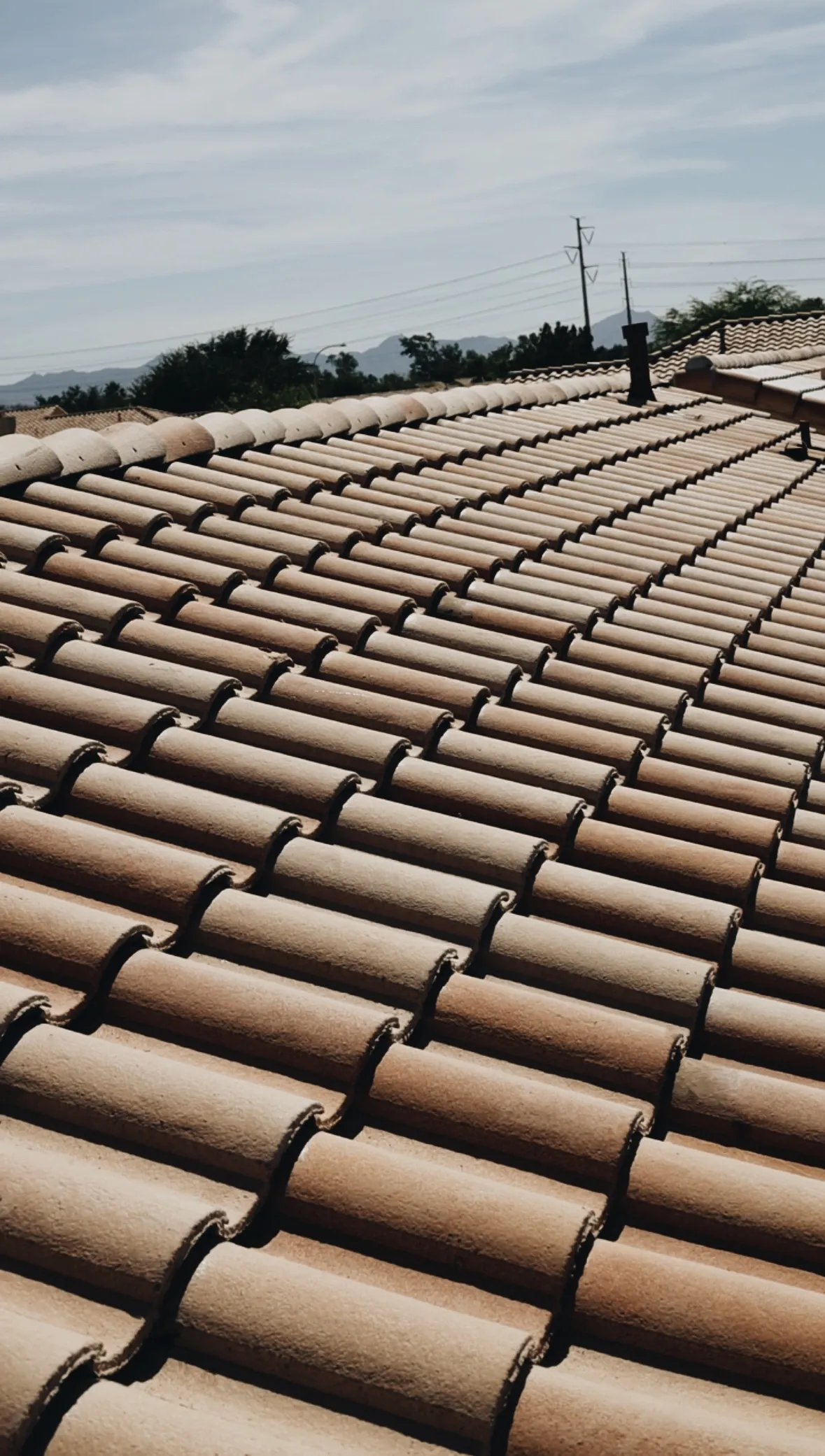
On tile roofs, the tiles can still look fine from the street while the sheet underneath has become brittle. Arizona tile roofs usually depend on that underlayment as the waterproofing layer. If those issues are locked under an array, later tile underlayment replacement or a lift-and-relay becomes a much larger project. See our underlayment guide for why that layer matters here.
Asphalt shingle roofs have a finite service life in Arizona heat and UV. An array does not pause that clock. If the shingles are already aging, it is usually better to reroof first than to install panels and then pay to remove and reset them a few years later.
Metal roofs often have a long service life, which can make them a comfortable match for a long-lived array. The attachments and flashings still have to stay watertight, and the roof should be in sound condition before anything is fastened to it.
On flat and low-slope roofs, coatings and membranes still need maintenance, cleaning, and eventual recoats or replacement. An array makes that work harder and more expensive. If a coating or foam roof is already tired, restoring it first is usually the better sequence. Compare restoration options in our flat roof coatings guide and on our roof coatings page.
Flashing, mounts, and penetrations
Every attachment is a potential water path, and monsoon rain will test those details. Mounts have to be attached in a way the roof can live with: correct placement on the framing or deck, flashings that shed water, and sealants used as a complement to flashing rather than as the only defense.
The solar installer typically designs the racking and electrical system. The roofer's job is to make sure the roof stays watertight. Who is responsible for leaks at those penetrations should be clear in writing before the job starts, so a leak at a mount does not fall into a gap between the solar company and the roofer.
Timing a reroof with a solar install
If you are in talks with a solar company, get the roof looked at before anyone attaches equipment. If the roof needs to be replaced or restored, do that work first, then install the array. A new or sound roof is the most important part of being ready for solar.
If you already have solar and the roof underneath now needs to be replaced or restored, the array has to come off and go back on. In most cases, you cannot replace the roof under an array while the panels stay in place. The panels and racking need to come off so the roof can be built correctly, then put back when the roof is finished.
What panel removal and reinstall actually involves
When we reroof a home that already has solar, the system has to be shut down as required, the panels and racking have to be removed and protected, the roof has to be built, and the array has to be put back so it can operate again. That takes coordination, time on the roof, and careful handling of the equipment.
In our typical experience, detach and reset runs around $150 per panel. On a large array, that line item adds up, and it can sometimes nearly double the roofing project. We share that figure so you can plan, not as a quote for every house. Your number depends on the system and the roof.
Real Roofing offers solar panel removal and reinstall as part of a reroof. If your roof needs to be replaced and you already have panels, we can include that work in the project plan. We would still rather meet you before the panels go on, when you might not need that step at all.
What to ask before you sign a solar contract
Get a roof inspection first. Look at the materials, the flashings, the ventilation, and the likely remaining life of the roof, so you know whether the roof is ready or should be replaced or restored first. If the roof is near the end of its life, do the roof first. That is the single best piece of advice we can give.
Ask who handles leaks and penetrations, and get it in writing. Ask what happens if the roof needs work in five or ten years: who removes the panels, who puts them back, and who warrants the roof around the attachments. If the answers are vague, you may be the one who pays for the gap later.
A fair way to think about the decision
Solar on an Arizona roof is a good idea on a roof that can see the system through a long service life, with waterproof details and clear responsibility for leaks. It is a painful idea on a roof that was already due for replacement. Inspect first. Repair, restore, or replace if the roof needs it. Then install the array. If the panels are already up and the roof is now the problem, we can still help, including panel removal and reinstall as part of the reroof. Call Real Roofing at (602) 910-2708 and we will look at the roof and give you a straight recommendation.
Frequently asked questions
1. Is Real Roofing against solar?
No. Arizona is an excellent place for solar, and we work on many homes that have it or want it. We want the roof under the array to be ready.
2. Why inspect the roof before installing panels?
Because the roof still has to keep water out for as long as the system is up there. An inspection tells you whether to install now, or whether to replace or restore the roof first and avoid a costly detach and reset later.
3. What does it cost to remove and reinstall solar panels for a reroof?
In Real Roofing's typical experience, it runs around $150 per panel. That is our experience, not a universal figure, and it can vary. On some projects, that work can nearly double the total cost of the roofing job.
4. Do you remove and reinstall panels if I already have solar?
Yes. Real Roofing offers solar panel removal and reinstall as part of a reroof.
5. Do you install solar panels?
No. We are a roofing contractor, not a solar installer. We do not sell solar systems. When a reroof is needed under an existing array, we offer solar panel removal and reinstall as part of that roofing work.
6. Who should flash the solar mounts?
The details should be watertight and someone should own that responsibility in writing. Ask both the solar company and a roofer this question before installation, not after a leak.
Get the roof looked at before the panels go on
Before you put solar on an existing roof, or if you already have panels and need a new roof, get a clear picture of the roof itself. Call Real Roofing at (602) 910-2708 or request a visit through our contact page. Licensed in Arizona, ROC 339597.

